

Apart from the type 2 diabetes, I am in pretty good shape for someone who was born when the first Star Wars film was in production. I am physically active, I have a low resting heart rate (mid-to-high 60s, according to my Whoop), and I have no mobility problems.
But that is apart from the diabetes.
Sometimes because of the diabetes I am fairly unwell. In my case, the unwellness manifests itself as tiredness. Especially in the first few weeks after diagnosis, I could be feeling perfectly fine, and then suddenly run out of energy.
This is an example of a hidden disability. Most of the time I look, and am, fine. Sometimes, I am not. When I’m not fine, there are no obvious outward signs; I don’t suddenly need a stick to walk, or a hearing aid to hear. That’s why I have bought various pieces of Hidden Disability Sunflower merchandise.
The Hidden Disabilities Sunflower is a simple tool for you to voluntarily share that you have a disability or condition that may not be immediately apparent – and that you may need a helping hand, understanding, or more time in shops, at work, on transport, or in public spaces.
HDS Global
In my case, I’ve got a couple of sunflower lanyards, a couple of sunflower keyrings, and a sunflower luggage tag. I also have a personalised diabetes ID card.
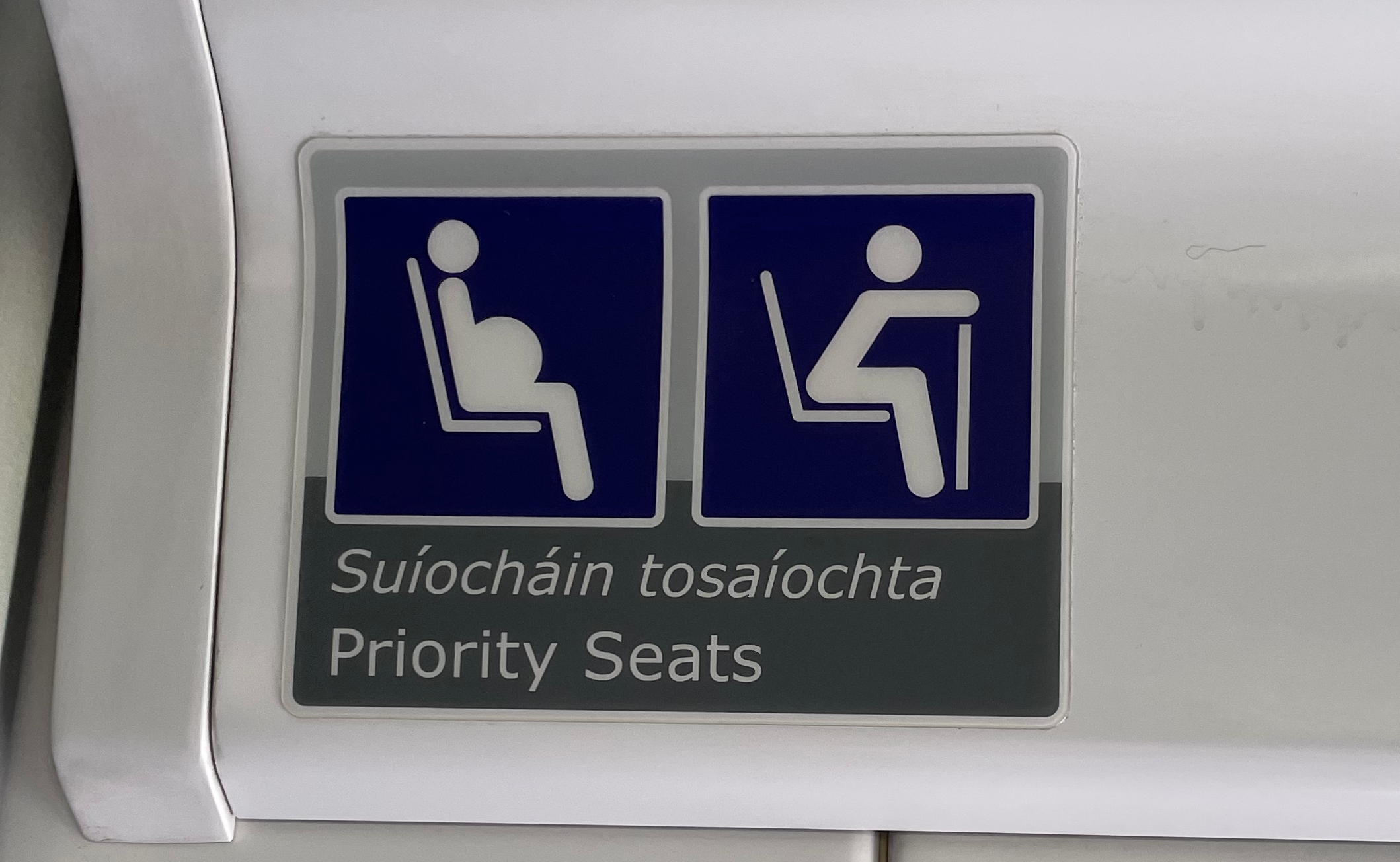
So far I haven’t used them much. The keyrings are attached to my various backpacks, and sometimes I wear the lanyard (without the ID card) when I’m on public transport. Sometimes, when I’m feeling rough, I do use the priority seats on the train, and the lanyard makes me feel more comfortable. It lets other passengers know that, despite outward appearances, I do have a reason to be sitting there.